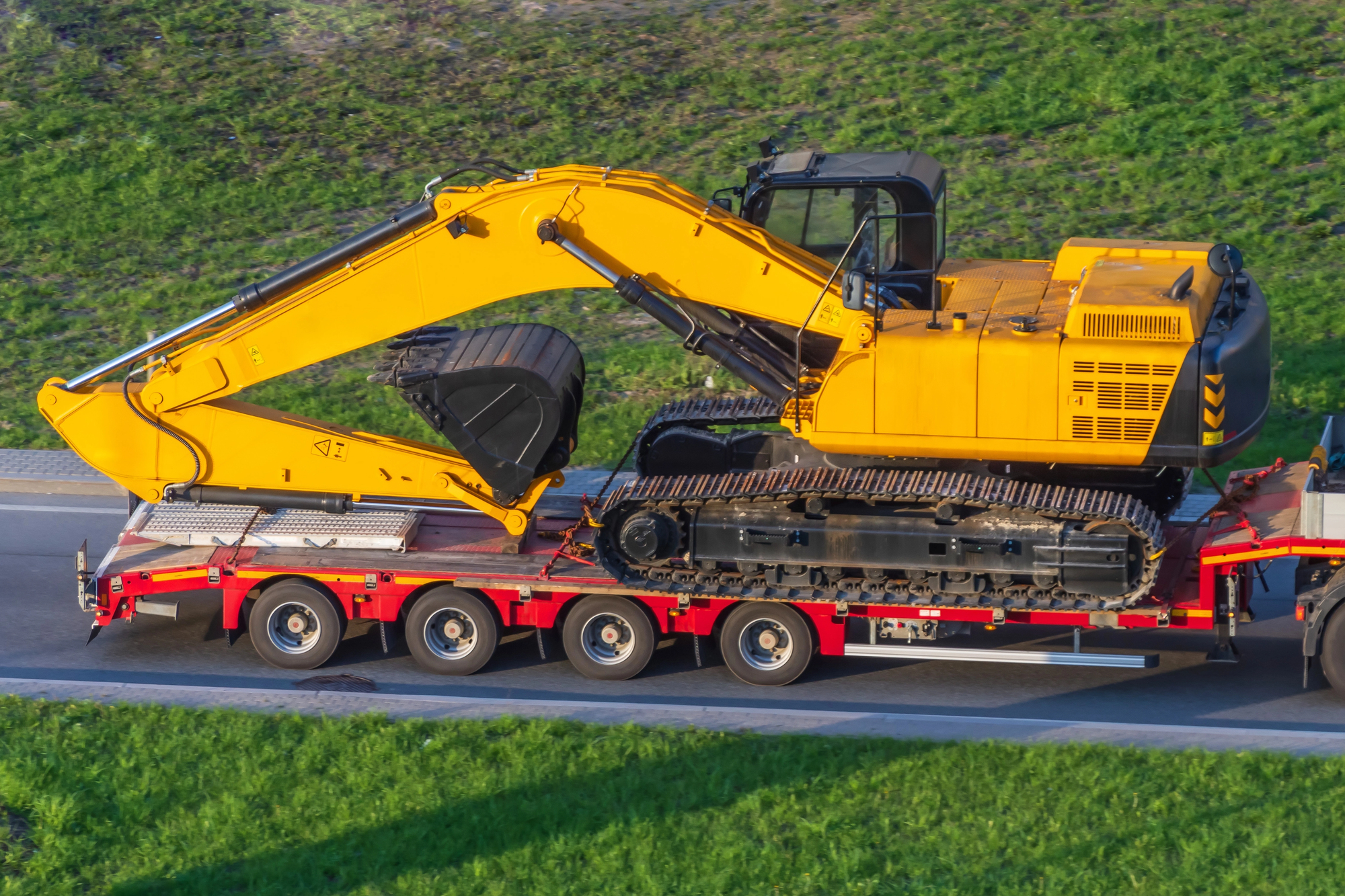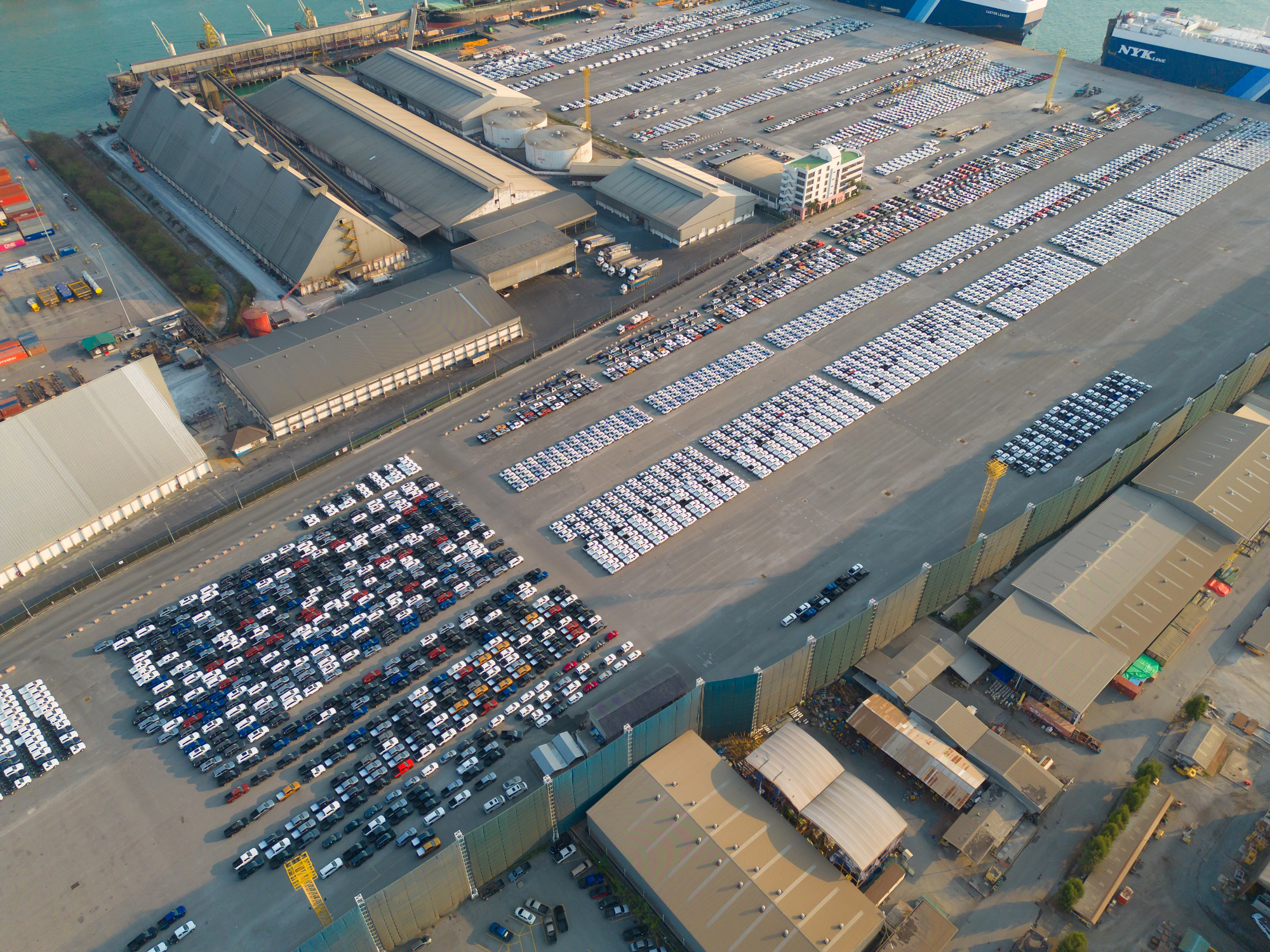
In 2026, port vehicle storage has become an essential service rather than a backup plan, helping businesses maintain flexibility and protect valuable assets. Understanding how modern port storage works makes it easier to plan ahead and avoid costly disruptions. Port vehicle storage refers to secure, off-terminal facilities designed to hold cars, trucks, trailers, and equipment before or after port delivery. These facilities reduce congestion at the port itself and allow vehicles to be staged safely until transport, inspection, or paperwork is complete.
What Port Vehicle Storage Looks Like in 2026
Today’s port storage facilities are built around security, accessibility, and efficiency. Controlled access, perimeter fencing, and monitored entry points help protect high-value vehicles. Storage yards are organized to allow quick retrieval without excessive handling or repositioning.
Many facilities now offer flexible short-term and long-term storage options, allowing businesses to adapt to changing timelines without scrambling for space.
Why Port Storage Is Often the Smarter Choice
On-terminal storage space is limited and expensive. Off-site port storage offers breathing room when shipments arrive early, documentation is delayed, or outbound transportation is not immediately available. Vehicles stored off-terminal are easier to inspect, clean, and prepare for next steps without port pressure.
Port storage also helps reduce demurrage fees and prevents rushed decisions that can lead to damage or logistical errors.
What to Expect During the Storage Process
Vehicles are typically checked in, documented, and placed in designated areas based on size, type, or delivery priority. Clear tracking ensures accountability and easy coordination with drivers and logistics teams. Many storage providers offer coordination services that streamline delivery scheduling and release timing.
How to Choose the Right Storage Partner
The best storage providers offer more than space. Look for clear communication, reliable scheduling, and experience with port procedures. Proximity to the port matters, but operational knowledge matters more.
In 2026, port vehicle storage is about control and predictability. Choosing the right solution helps businesses move with confidence instead of reacting under pressure.
.svg)
.svg)
.svg)
.svg)