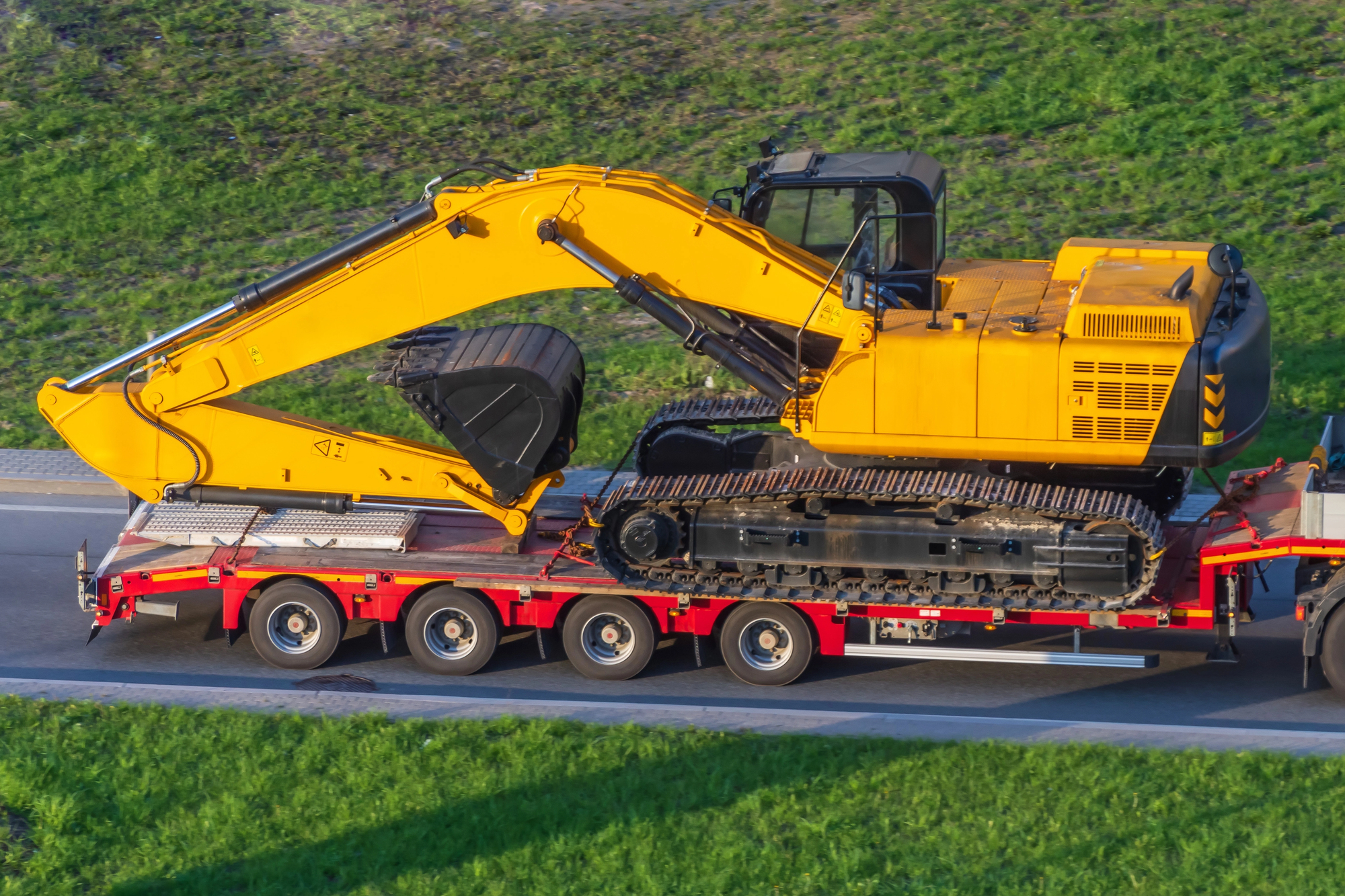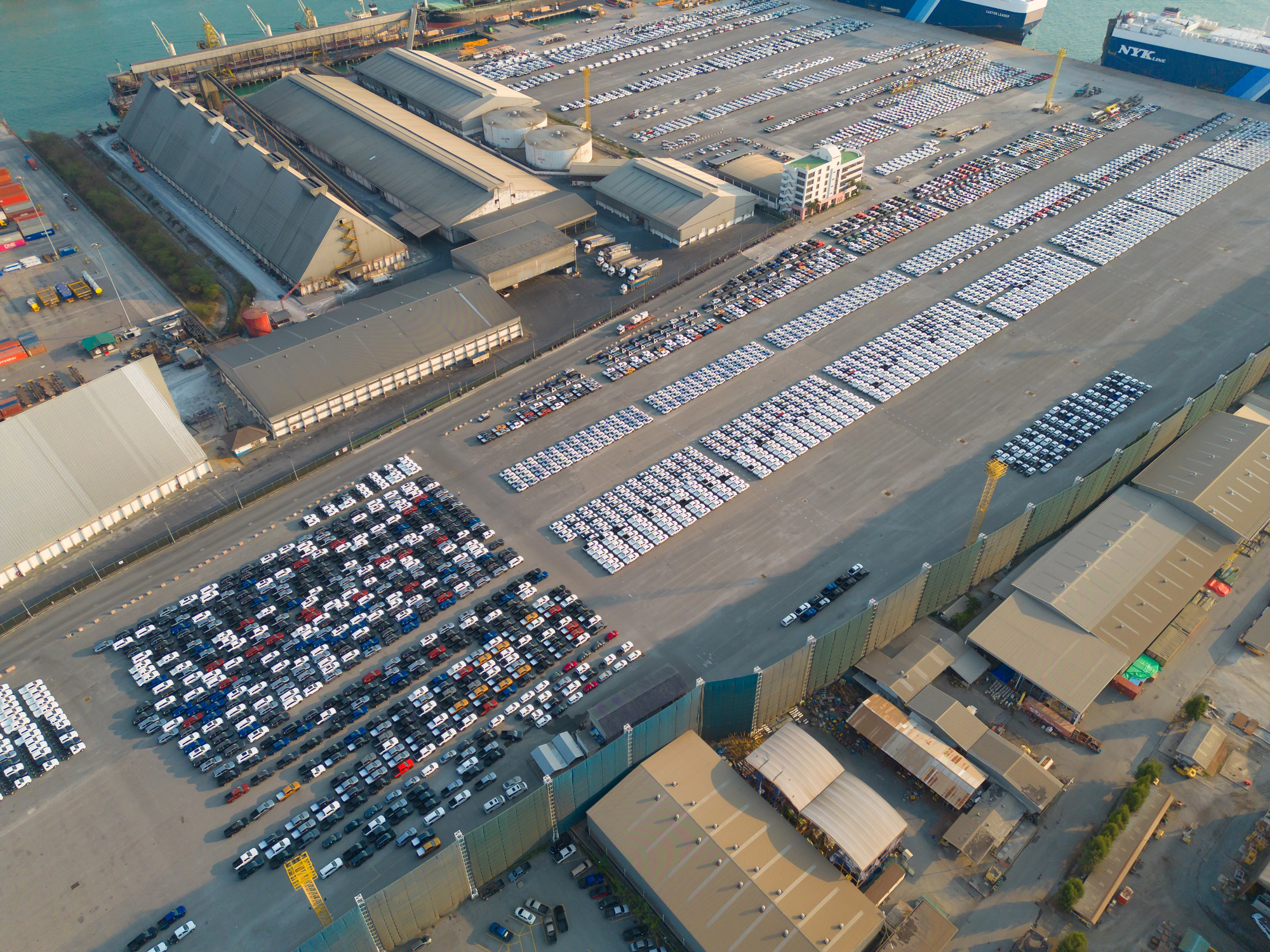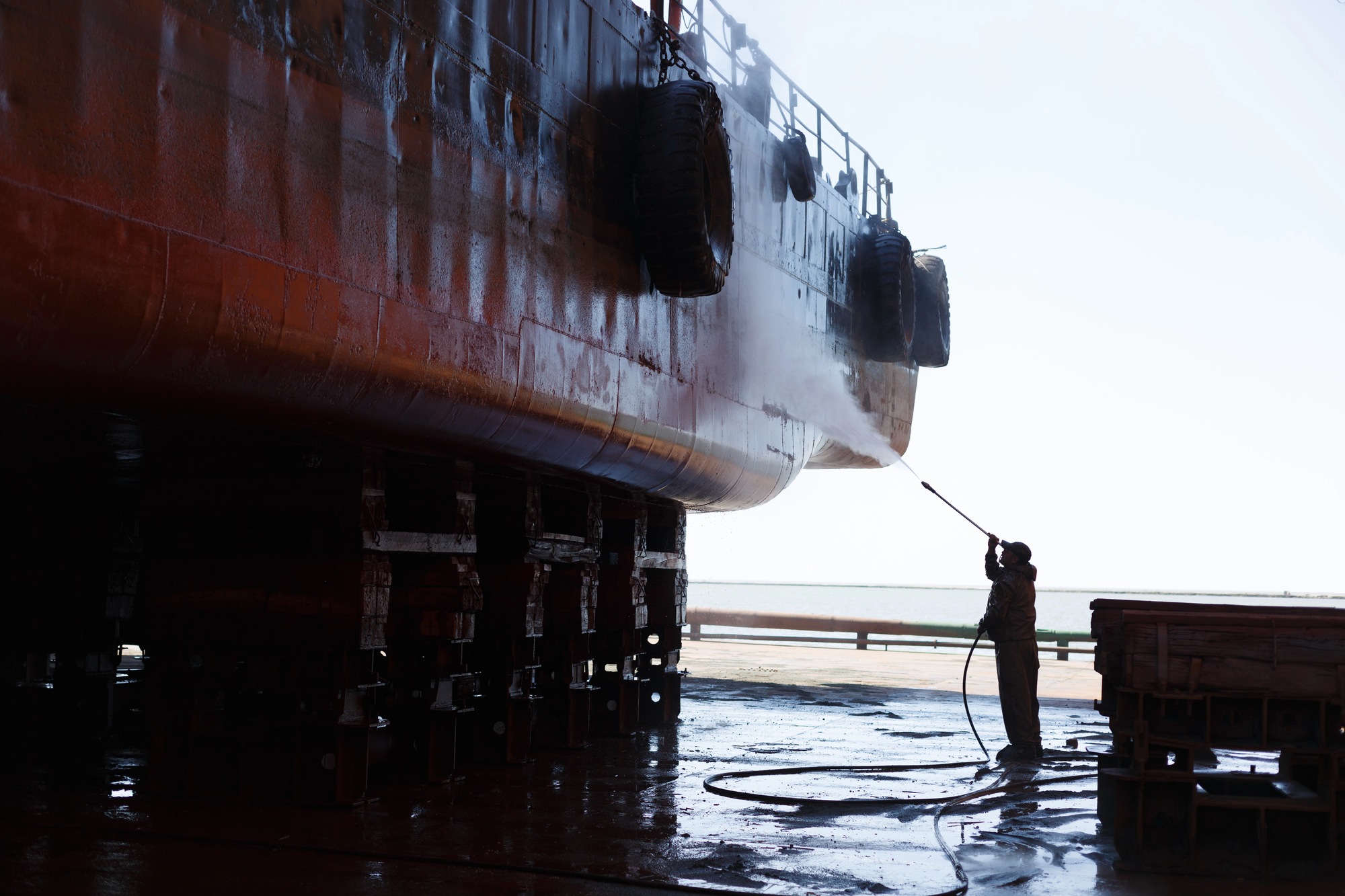
Equipment moving through ports may be subject to inspections and requirements based on the cargo, destination, carrier, and whether the equipment is being imported or exported. For certain used machinery, soil, plant debris, grease, and other contaminants can create problems that lead to additional cleaning, inspection, or delays.Professional equipment washing before shipping helps remove those problems while the machinery is still somewhere they are easy to fix.
Why Does Clean Equipment Matter at the Port?
Ports connect countries, which means equipment can potentially carry more than cargo from one place to another.
Mud and organic debris trapped in tires, tracks, undercarriages, and machinery can carry soil, seeds, insects, or other agricultural contaminants. These are taken seriously because invasive pests and diseases can threaten agriculture and natural ecosystems.
USDA guidance for used agricultural machinery being exported states that equipment should be cleaned to meet the destination country's requirements before a phytosanitary inspection. Inspectors may look for soil, plant debris, weeds, seeds, and pests.
Import requirements can be strict as well. U.S. Customs and Border Protection advises that imported vehicles should have their undercarriages thoroughly cleaned to remove foreign soil, while USDA APHIS notes that dirty used farm machinery can be subject to soil and contamination restrictions.
The exact requirements depend on the equipment and shipment, but there's a simple takeaway: arriving with clean equipment can eliminate one potential source of trouble.
What Areas of Heavy Equipment Need the Most Attention?
Heavy machinery has plenty of places for dirt to hide. A quick rinse of the visible surfaces may make equipment look better, but it doesn't necessarily address the areas that matter most. Depending on the machine, attention may need to be given to:
- Tires, tracks, and wheel wells
- Undercarriages
- Frames and structural components
- Hydraulic areas
- Engine compartments and accessible components
- Buckets, blades, and attachments
- Joints, crevices, and other areas where soil can accumulate
Equipment used on construction sites, farms, and other outdoor environments can be especially prone to buildup.
USDA APHIS specifically recommends thoroughly cleaning farm machinery, trucks, construction machinery, and other equipment to prevent soil-borne pests from moving between locations.
Can Dirty Equipment Cause Shipping Delays?
If equipment doesn't meet the requirements of the importing country or carrier, additional cleaning or other corrective action may be necessary before it can continue.
That's much easier to handle before the equipment reaches the terminal.
If a problem is discovered after arrival, you're now working around port schedules, shipping deadlines, inspections, and potentially a vessel cutoff. A cleaning job that could have been handled beforehand may suddenly interfere with the transportation plan.
For exporters, requirements can also differ by destination. USDA guidance specifically notes that used agricultural machinery should be cleaned according to the requirements of the importing country.
Checking those requirements before shipment is important rather than assuming one cleaning standard applies everywhere.
How Does Washing Make Equipment Easier to Inspect?
There's another practical benefit to removing layers of dirt and grease: you can actually see the equipment.
A clean machine makes it easier to visually assess important components and identify concerns that may otherwise be hidden beneath buildup.
Port Storage & Delivery's equipment washing service is designed to remove dirt, salt, grease, and other contaminants while improving visibility for inspections and safety checks. Its washing services can be used to prepare machinery for transportation, inspection, storage, or ongoing maintenance.
Cleaning can reveal a leak, damaged component, corrosion, or another issue that deserves attention before the equipment moves.
That's particularly valuable when washing and inspection happen before a scheduled shipment. Finding a problem in a storage yard gives you time to decide what to do about it. Finding it when you're trying to make a vessel cutoff gives you far fewer options.
Should Equipment Be Washed Before or After an Inspection?
When cleanliness affects the ability to inspect the machinery, washing it first makes sense.
Removing dirt and buildup allows important areas to be seen more clearly and can help identify maintenance concerns before transportation.
Port Storage & Delivery offers both equipment washing and vehicle/equipment inspection and surveying near JAXPORT. Its inspections can assess hydraulic systems, structural integrity, general condition, maintenance concerns, and transport readiness.
For equipment that's been working on a construction site, sitting in storage, or preparing for export, combining washing with an inspection can provide a clearer picture of its condition before it moves.
Does Equipment Washing Help Protect Machinery During Storage?
Dirt, salt, grease, and contaminants can contribute to corrosion and wear when they're allowed to remain on machinery. We recommend cleaning equipment before long-term storage as part of maintaining its condition.
This can be especially useful when equipment arrives in Jacksonville before its shipping date and needs to be stored temporarily.
Instead of thinking of washing as the final cosmetic step before shipment, it can be part of the overall process of preparing equipment for inspection, storage, and transportation.
Frequently Asked Questions About Equipment Washing Before Shipping
1. Does all equipment have to be washed before entering a port?
Requirements depend on the equipment, whether it is being imported or exported, its origin or destination, and applicable carrier and regulatory rules. Certain used machinery can face specific soil and contamination requirements, so shippers should verify the rules for their shipment.
2. Why is soil on equipment a concern?
Soil can carry pests, weed seeds, plant material, and pathogens. USDA regulates soil and contaminated equipment to reduce the risk of introducing or spreading agricultural pests.
3. Is pressure washing enough for heavy equipment?
It depends on the equipment and applicable requirements. Some machinery has difficult-to-reach areas that require more thorough cleaning, and certain shipments may have specific treatment or certification requirements.
4. Should I wash equipment that's been sitting in storage?
It can be beneficial, particularly if the equipment has accumulated dirt, salt, grease, or other contaminants. Cleaning can also make it easier to inspect the machinery before its next move.
5. Can equipment be washed near JAXPORT?
Yes. Port Storage & Delivery provides equipment washing at its Jacksonville facility located less than three miles from JAXPORT.
Get Your Equipment Clean and Ready Before It Reaches JAXPORT
A clean piece of equipment isn't just nicer to look at. Washing can help remove contaminants, improve visibility during inspections, reveal potential maintenance concerns, and prepare machinery for its next stage of transportation.
Port Storage & Delivery provides professional equipment washing less than three miles from JAXPORT, along with equipment washing, hauling to JAXPORT, title validation, transit storage, trans-shipping, and TWIC escort services.
.svg)
.svg)
.svg)
.svg)