In 2026, proper preparation is the difference between a smooth haul and a costly setback. Understanding how to prepare assets for transport helps protect both equipment and schedules. Preparation begins long before the driver arrives. Planning ensures equipment meets port requirements and transport safety standards.
Inspect and Document Before Transport
A thorough pre-haul inspection helps identify loose components, unsecured attachments, fluid leaks, worn tires, and visible structural damage that could worsen during transport.
Documenting the vehicle or equipment condition with dated photos and written notes creates a clear record that protects both the shipper and the carrier in the event of damage claims or insurance questions.
Mechanical issues such as low fluid levels, warning lights, weak batteries, or compromised brakes should be resolved before loading, as even minor problems can lead to roadside breakdowns, missed port appointments, and added towing or rescheduling costs.
Secure and Reduce Risk
Before transport, all personal items and loose materials should be removed to prevent interior damage or loss during transit. Any detachable accessories, mirrors, or add-ons should be secured or removed entirely, and all movable components should be fully retracted and locked according to manufacturer guidelines.
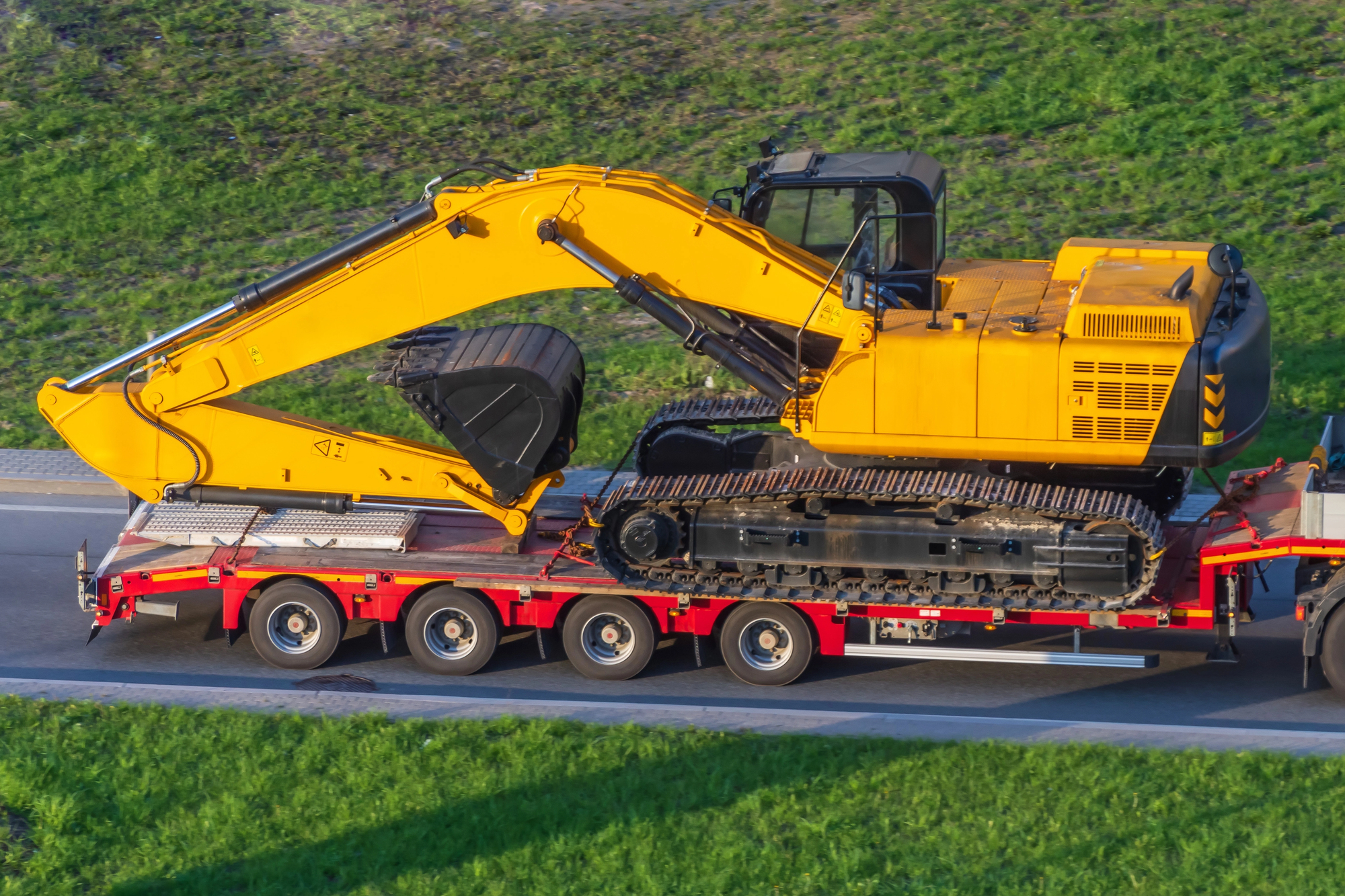
For heavy equipment, booms, arms, buckets, and hydraulic attachments must be properly lowered, pinned, or secured to eliminate movement. Correct weight distribution and compliant load securement are essential to prevent shifting, reduce strain on tie-down points, and maintain vehicle stability throughout the haul, especially during braking, turns, and uneven road conditions.
Clean Equipment Ahead of Time
Clean vehicles and equipment move through port inspections more efficiently because inspectors can clearly see critical components without obstruction from dirt, mud, or residue.
Washing removes debris, organic material, and buildup that often trigger secondary inspections or compliance concerns, especially for equipment arriving from construction or agricultural sites.
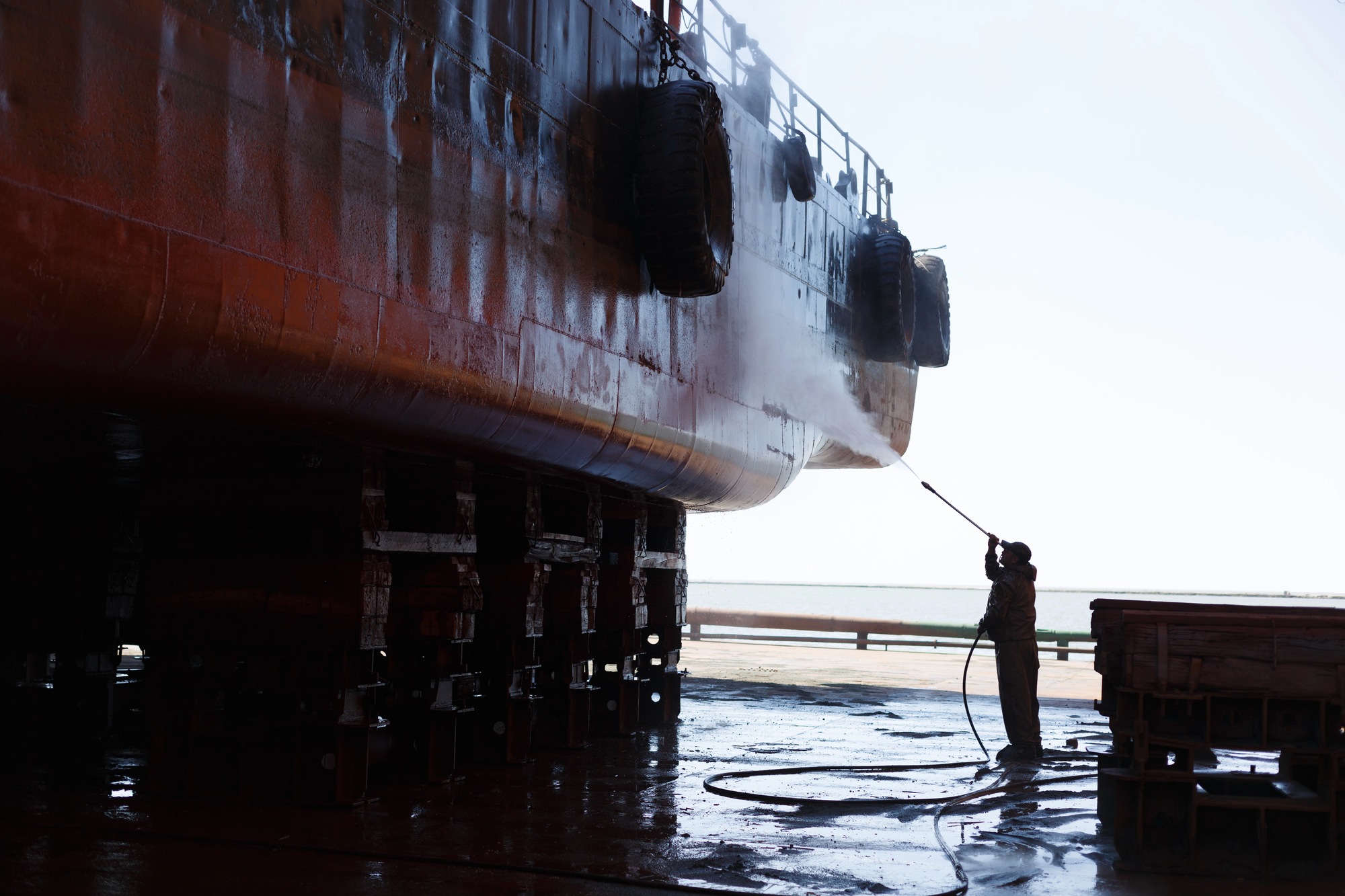
Clean surfaces allow inspectors to quickly verify condition, serial numbers, and securement points, reducing inspection time and minimizing delays. Using professional vehicle and equipment washing services ensures thorough cleaning in hard-to-reach areas and helps meet port and environmental standards before arrival.
Verify Documentation and Access Requirements
All titles, release forms, bills of lading, and transport paperwork should be fully completed and easily accessible before arrival at the port. Missing or incorrect documentation can result in denied entry, extended wait times, or rescheduled deliveries.
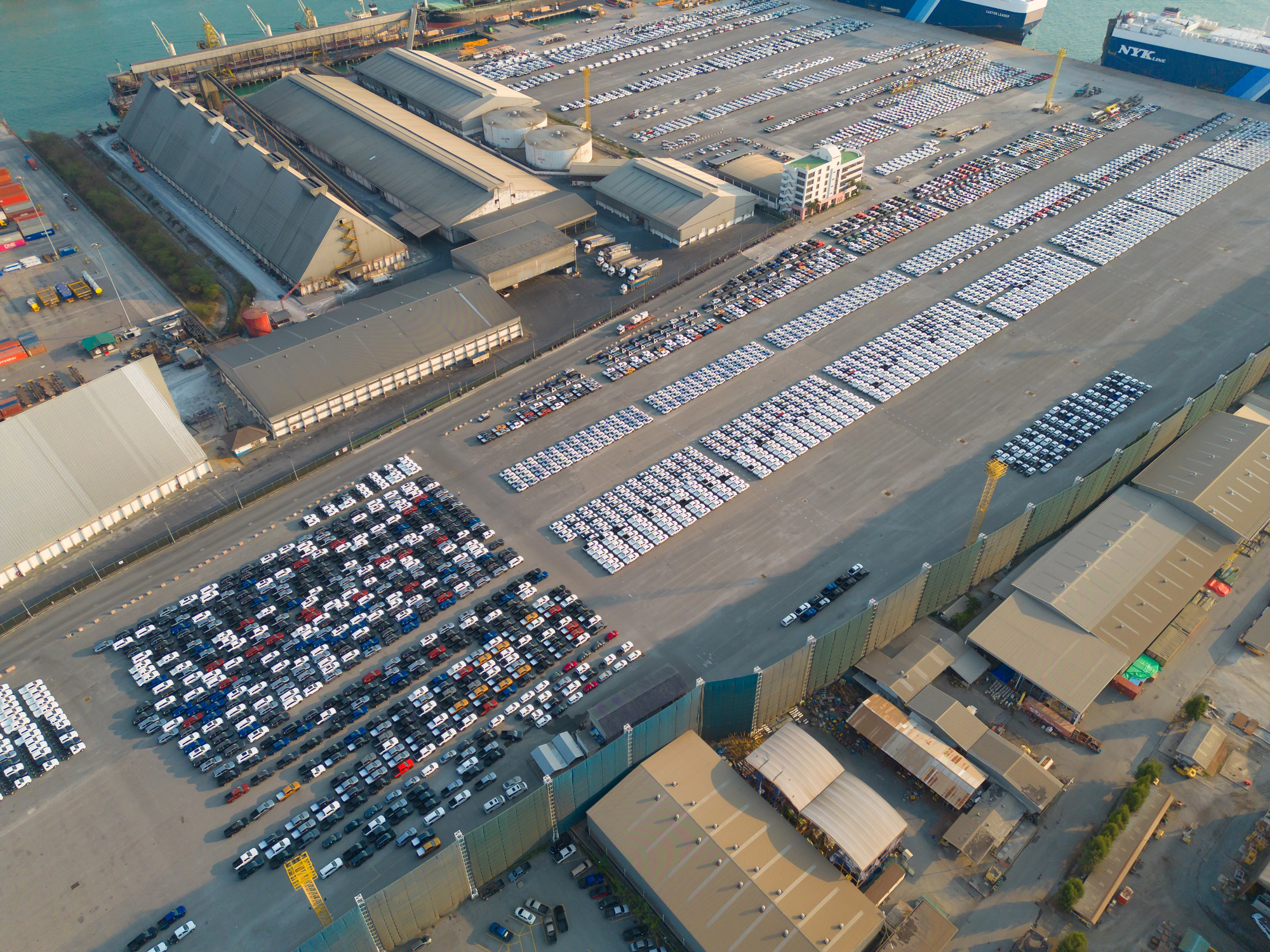
It is also important to confirm port access requirements in advance, including credential checks, appointment systems, and facility-specific procedures, to prevent last-minute issues at entry points that can disrupt delivery schedules and increase driver downtime.
Coordinate Timing and Delivery Windows
Port congestion varies by day and season. Scheduling deliveries during optimal windows reduces wait times and driver downtime. Clear communication between storage, hauling, and port teams keeps the process aligned.
Preparation Protects More Than Equipment
Well-prepared vehicles and equipment reduce liability by minimizing the risk of damage, breakdowns, and compliance issues during transport. Proper preparation helps protect delivery timelines by preventing avoidable delays at inspection points, entry gates, or along the route.
It also supports safer hauling conditions for drivers and surrounding traffic by ensuring loads remain stable and mechanically sound. In 2026, successful hauling to JAXPORT relies on careful attention to detail, clear coordination between all parties involved, and experience navigating port-specific requirements.
.svg)
.svg)
.svg)
.svg)