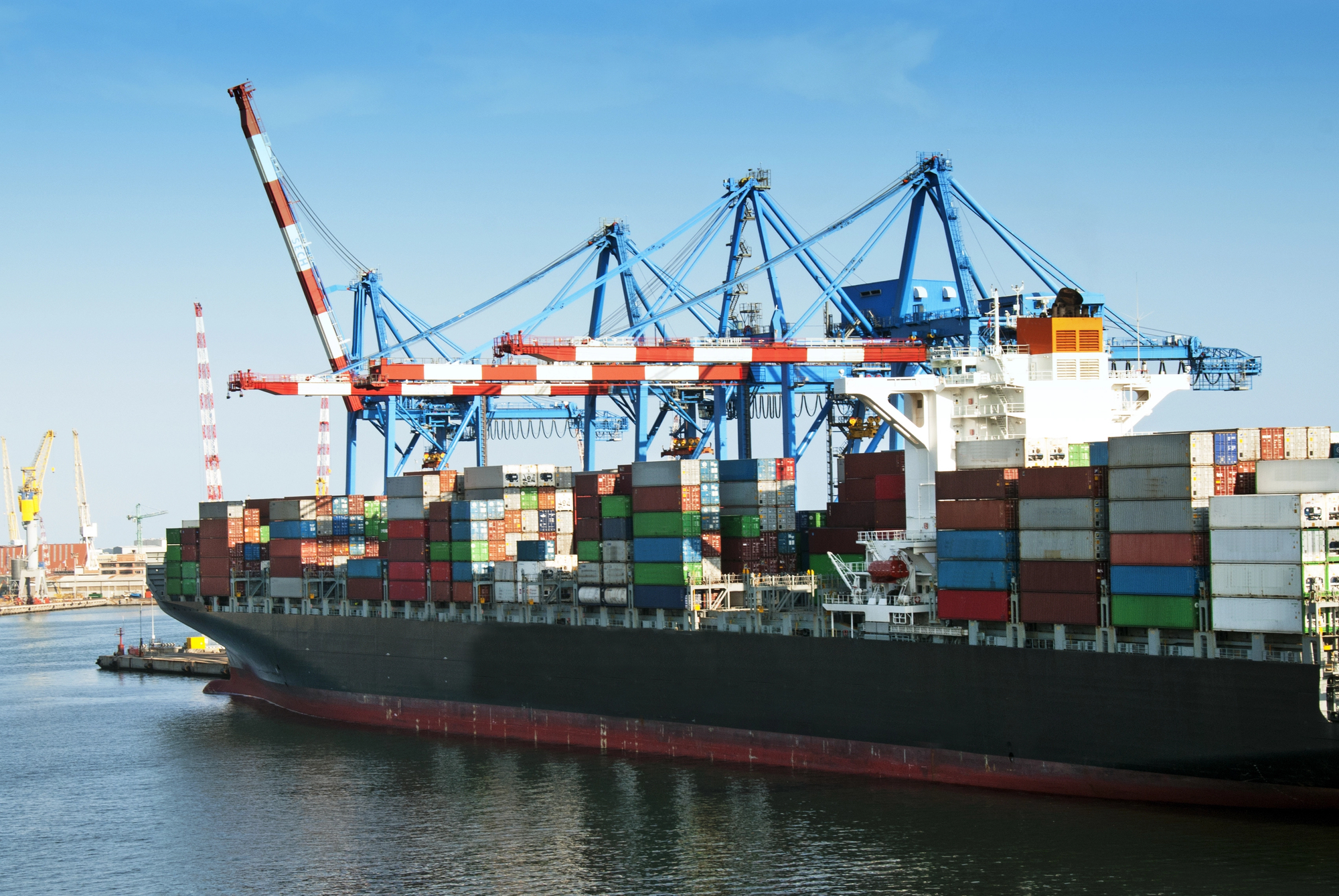
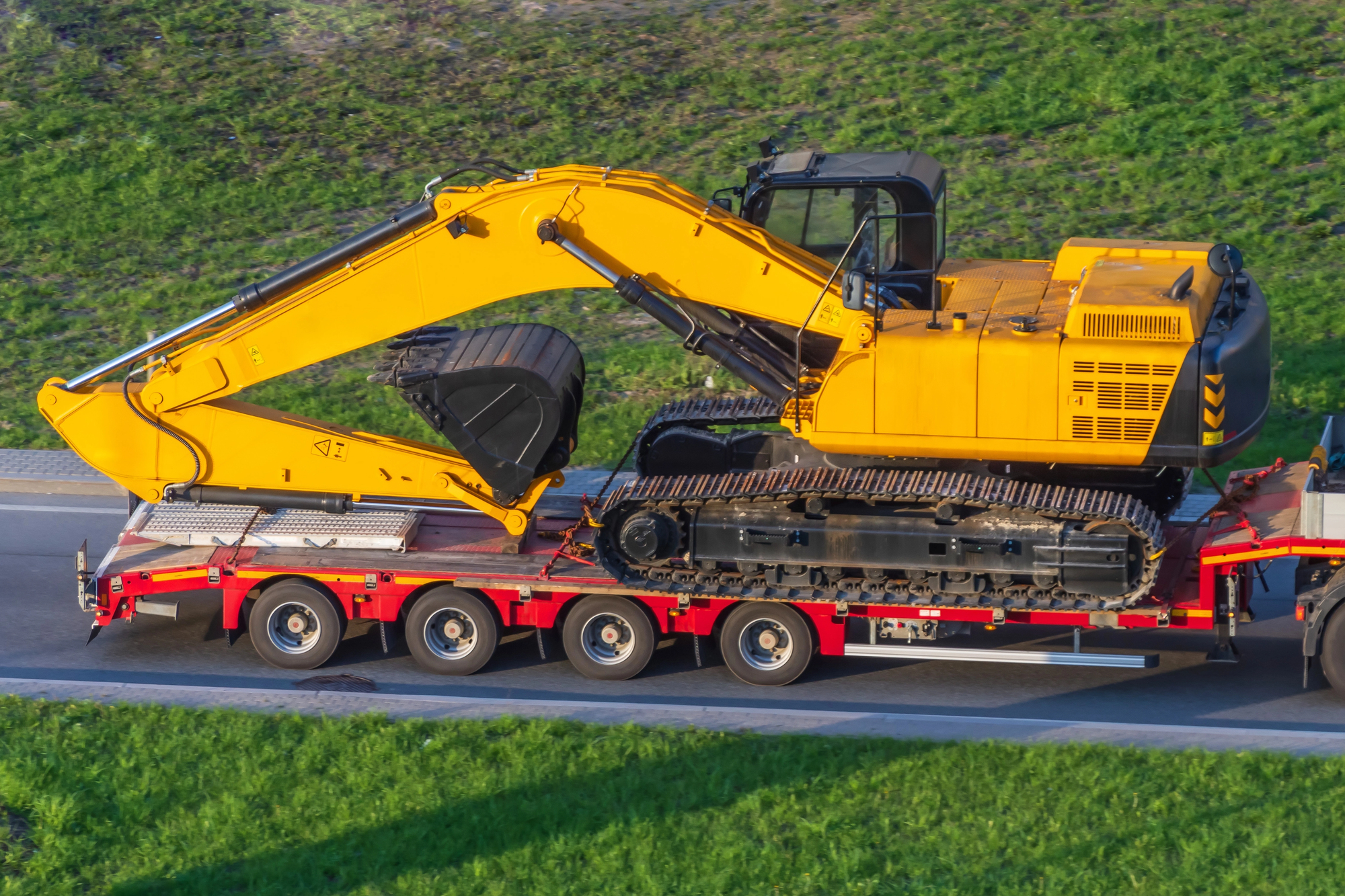
Transit storage provides a secure, flexible solution for freight that needs temporary storage before or after port delivery, helping businesses avoid unnecessary delays and keep their supply chains moving efficiently.
What Is Transit Storage?
Transit storage is the temporary storage of freight, vehicles, containers, or equipment while they are moving through the supply chain. It acts as a bridge between transportation stages when immediate delivery or pickup is not possible.
When Is Transit Storage Needed Before Port Delivery?
In some situations, cargo arrives at a storage facility before it is scheduled for export.
Common examples include:
Early Cargo Arrival: Products may be ready before vessel schedules are finalized. Transit storage provides a secure location until the cargo can be delivered to the port.
Consolidating Shipments: Businesses often combine multiple shipments into a single export load. Temporary storage allows freight to be staged and organized before transport.
Project-Based Scheduling: Construction materials, equipment, and oversized cargo may arrive before a project is ready to receive them.
When Is Transit Storage Needed After Port Delivery?
Transit storage is equally valuable after cargo leaves the port.
Warehouse Capacity Issues
If a distribution center or warehouse is temporarily full, transit storage provides additional flexibility until space becomes available.
Delayed Deliveries
Customers may not always be ready to receive freight immediately. Storage helps prevent unnecessary transportation costs and scheduling disruptions.
Inventory Management
Businesses often use transit storage to manage inventory flow and avoid overwhelming receiving facilities.
What Are the Benefits of Transit Storage?
Transit storage helps businesses:
- Reduce congestion-related costs
- Improve supply chain flexibility
- Secure freight between transportation stages
- Prevent costly delivery delays
- Improve inventory management
- Maintain efficient cargo flow
For importers and exporters, having access to nearby storage can help minimize disruptions and create greater control over the transportation process.
Key Takeaway
Transit storage serves as a valuable buffer between transportation stages, helping businesses navigate delays, scheduling challenges, and inventory fluctuations. Whether freight needs temporary storage before export or after arriving at the port, the right storage solution can improve efficiency and reduce supply chain stress.
At Port Storage Delivery, we provide secure transit storage solutions for containers, vehicles, equipment, and freight moving through JAXPORT. Contact our team today to learn how we can support your logistics needs.
.svg)
.svg)
.svg)
.svg)