As port standards tighten in 2026, professional equipment washing plays a critical role in keeping operations moving smoothly. Knowing when and why to wash equipment protects both timelines and investments. Ports enforce cleanliness requirements to prevent the spread of contaminants, invasive species, and environmental hazards. Equipment arriving with excessive dirt, residue, or organic material may be flagged for inspection or denied entry altogether.
Why Equipment Washing Matters More Than Ever
Regulatory scrutiny continues to increase, especially for equipment crossing regional or international boundaries. Clean equipment reduces inspection times and minimizes the risk of unexpected holds. Washing also helps identify damage early, allowing issues to be addressed before they become expensive repairs.
Beyond compliance, cleanliness preserves long-term asset value. Dirt traps moisture, accelerates corrosion, and hides mechanical problems that worsen over time.
What Professional Equipment Washing Includes
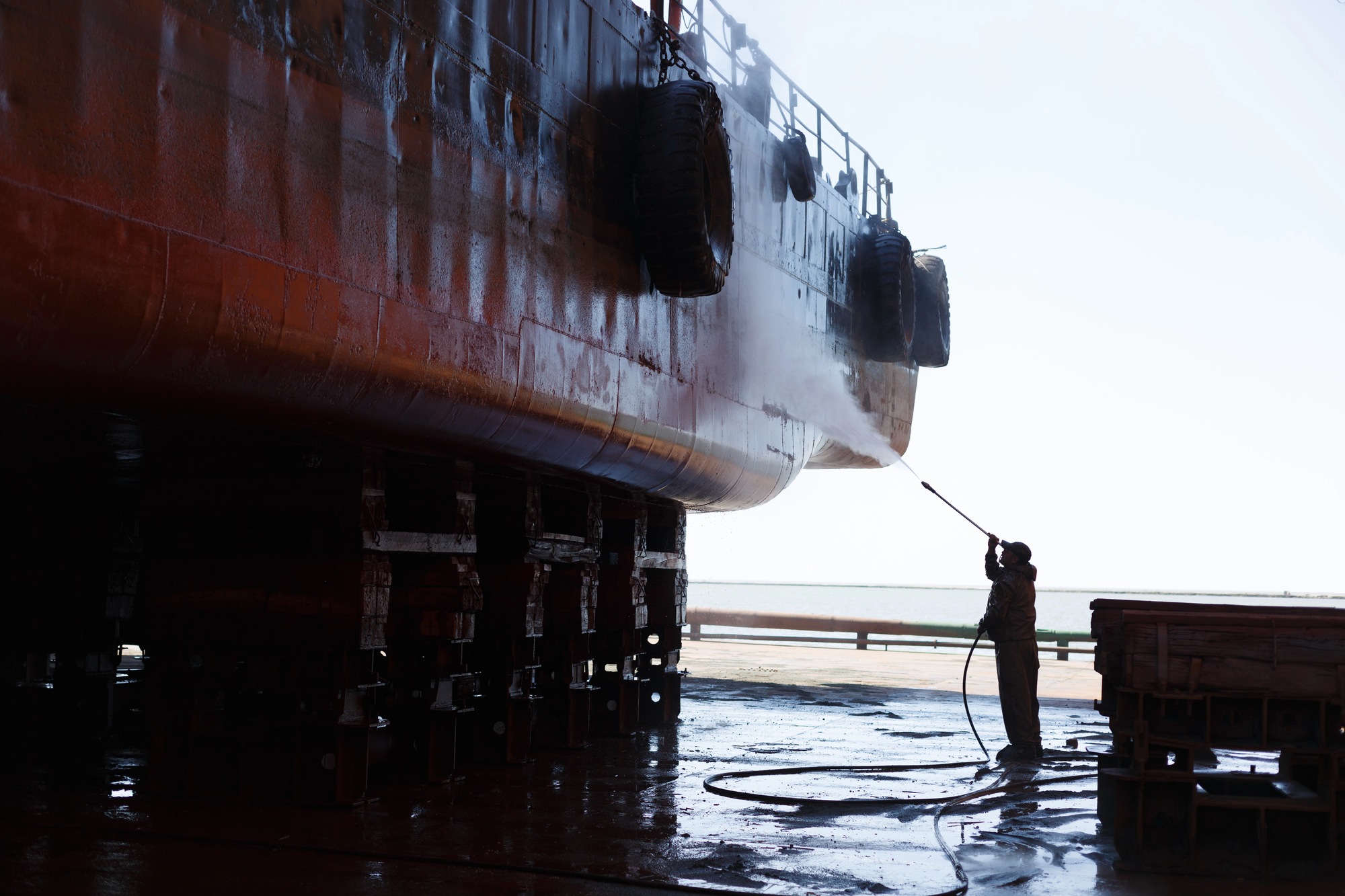
Professional washing goes beyond surface rinsing. High-pressure cleaning removes buildup from undercarriages, joints, and hard-to-reach areas. Environmentally responsible methods ensure runoff is handled properly, reducing environmental risk.
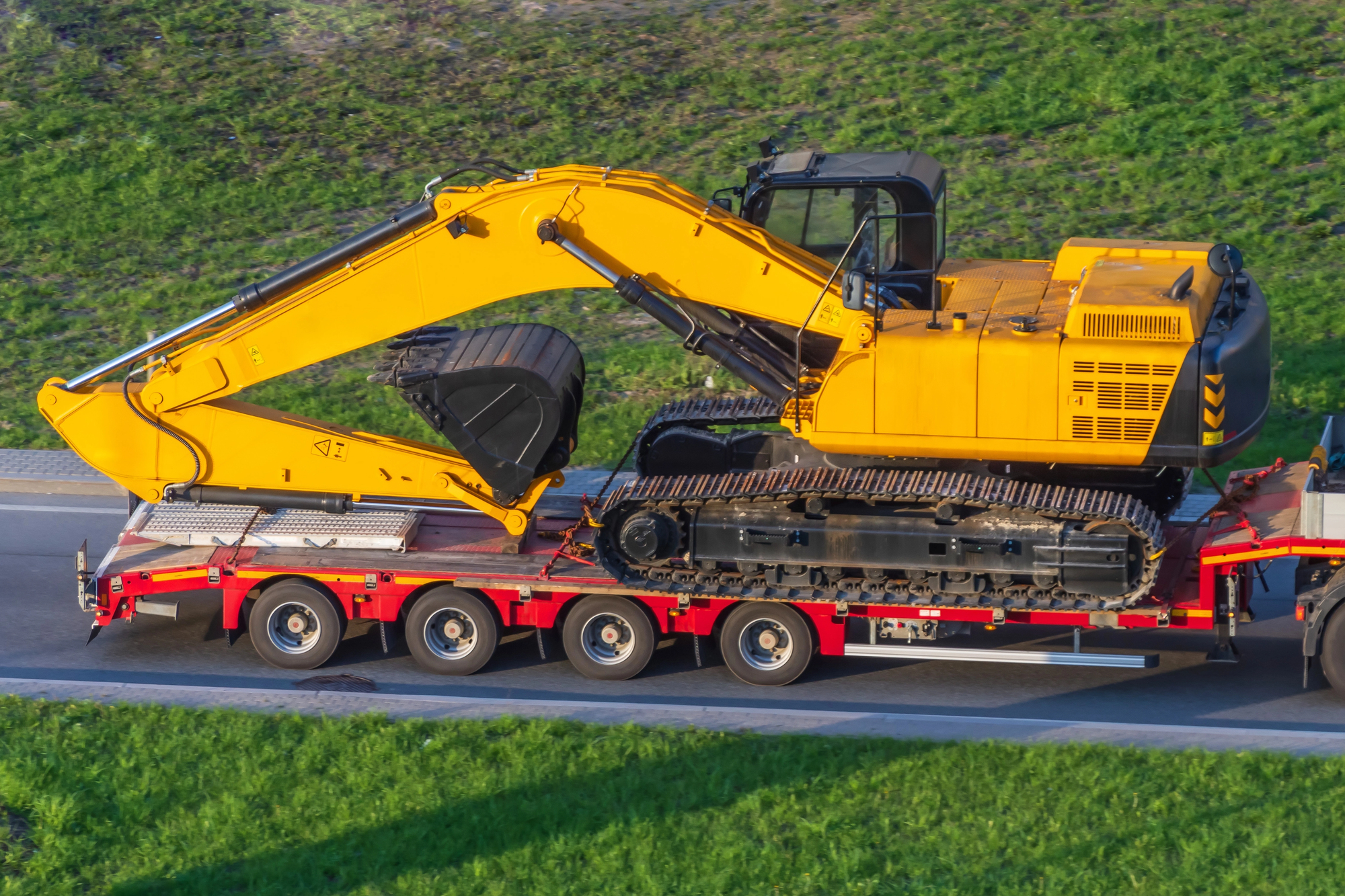
Equipment is typically washed according to its specific use, whether construction machinery, agricultural equipment, or transport trailers.
How Washing Prevents Port Delays
Clean equipment moves faster through inspections. When ports see well-maintained assets, the likelihood of secondary reviews drops significantly. This keeps delivery schedules intact and avoids last-minute scrambling.
Equipment washing also supports smoother coordination between storage, hauling, and delivery services by eliminating surprise issues at the gate.
Planning Washing Into Your Workflow
The most efficient operations schedule washing before port delivery, not after a problem arises. Coordinating washing with storage or staging services simplifies logistics and reduces downtime.
In 2026, professional equipment washing is not an optional extra. It is a proactive step that protects assets, supports compliance, and keeps port operations running without interruption.
.svg)
.svg)
.svg)
.svg)